
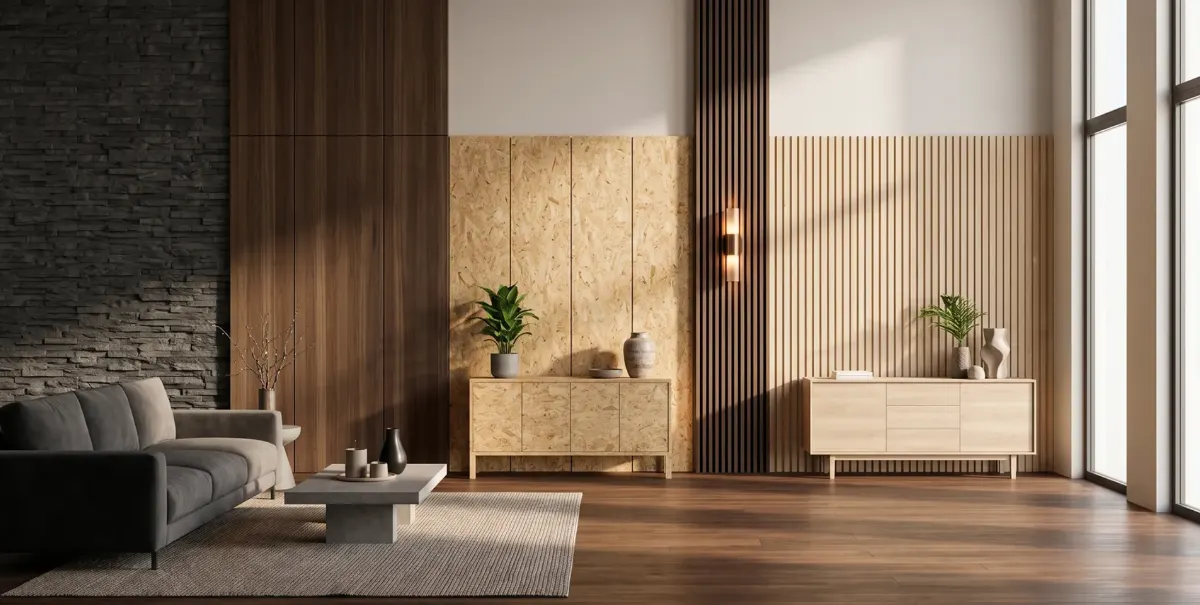

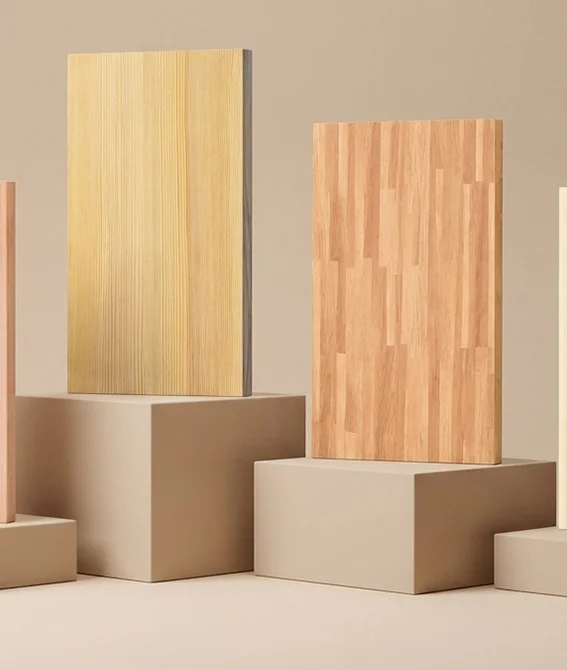

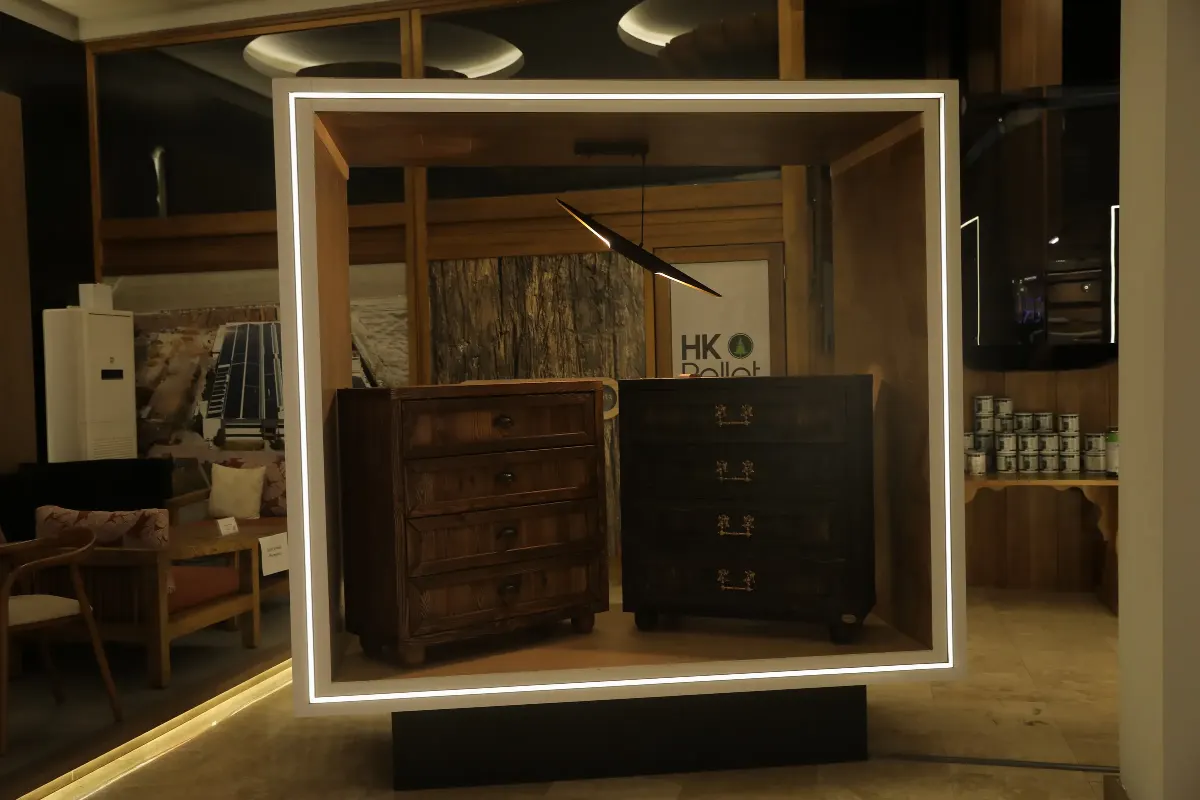
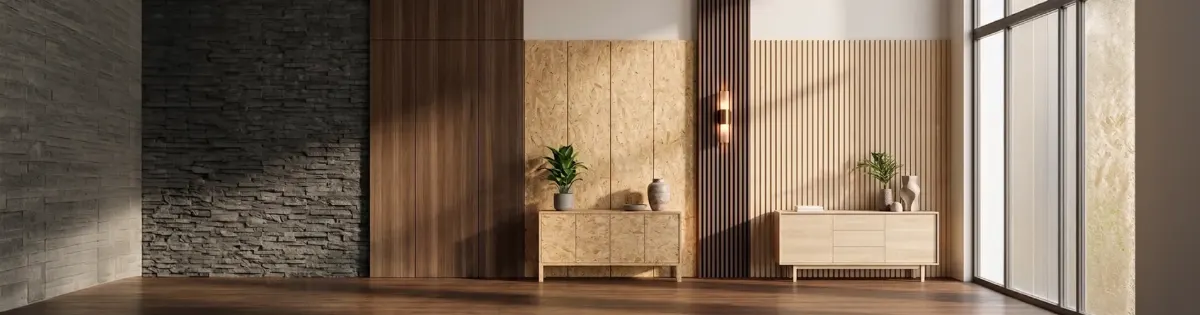


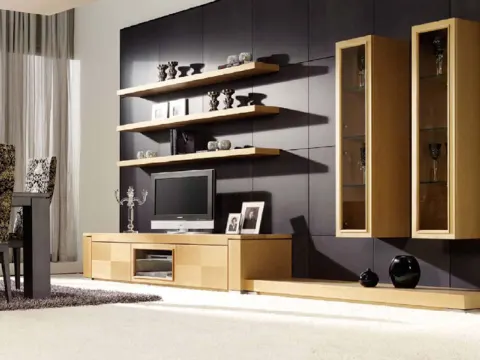
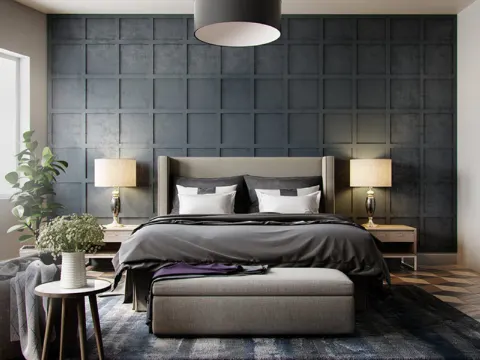
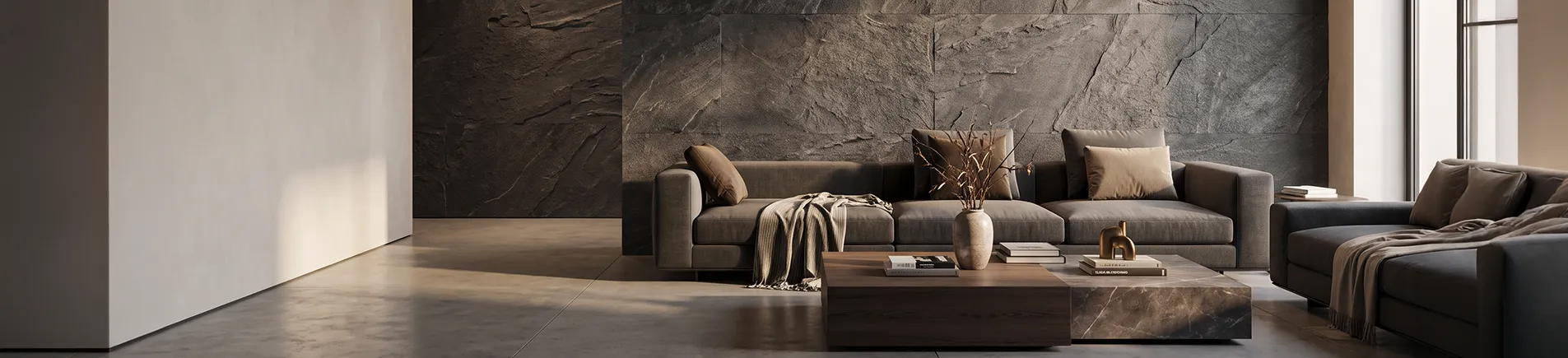

From furniture making to roofing, the first decision in many jobs is which board to use. OSB, MDF and plywood may look similar at first glance, but their manufacturing, strength and uses are quite different. In this guide we compare the three boards to help you make the right choice for your project.
What is OSB?
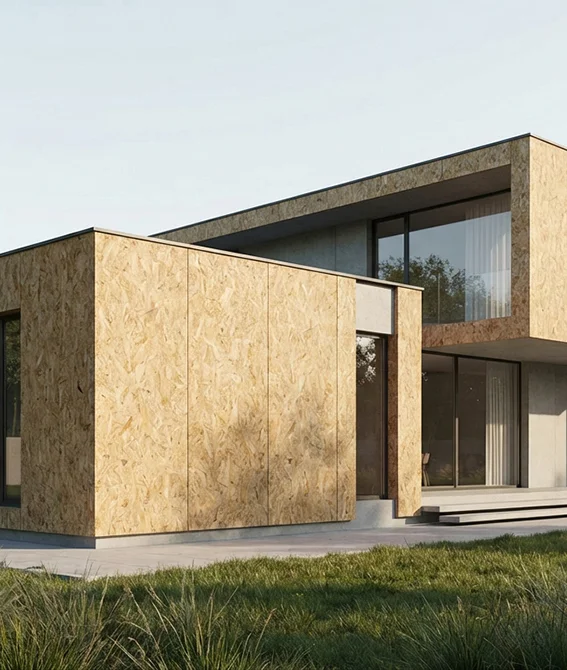
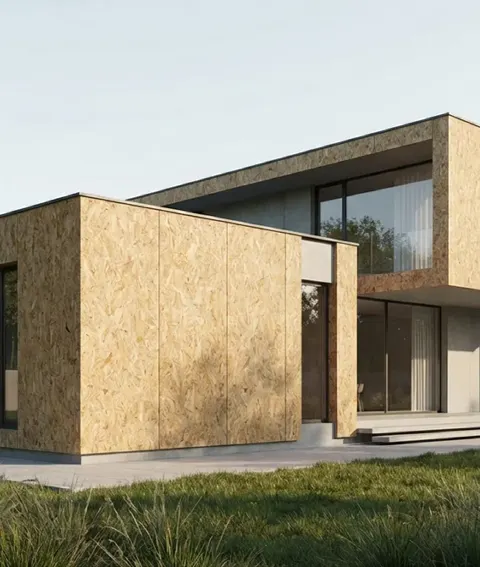
OSB (oriented strand board) is made by mixing thin, long wood strands with resin and pressing them in layers laid in different directions. This structure gives the board high strength.
- Strengths: high load-bearing capacity, economical price, availability in large sizes.
- Uses: roof and wall sheathing, subfloors, timber structures, packaging and site work.
- Good to know: OSB/2 is for load-bearing use in dry conditions and OSB/3 for load-bearing use in humid conditions. Choose OSB/3 for humid areas.
What is MDF?
MDF (medium density fibreboard) is made by bonding wood fibres with resin and pressing them under high pressure and heat. Its uniform structure gives it an extremely smooth surface.
- Strengths: even, smooth surface, an excellent base for paint and lacquer, easy CNC machining.
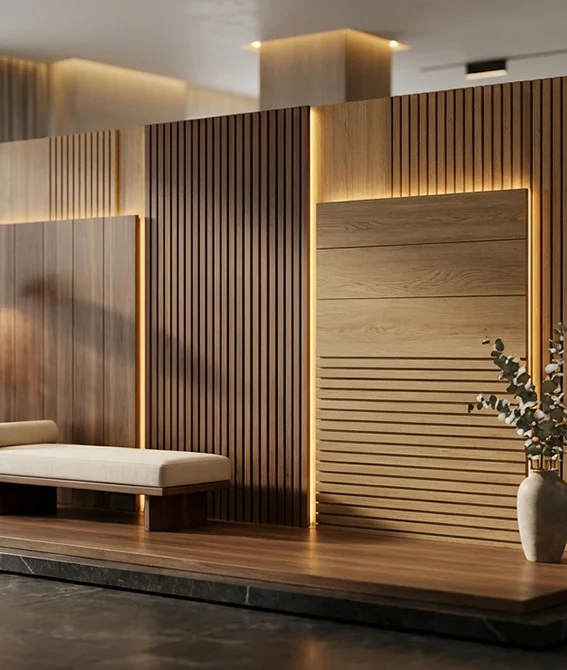
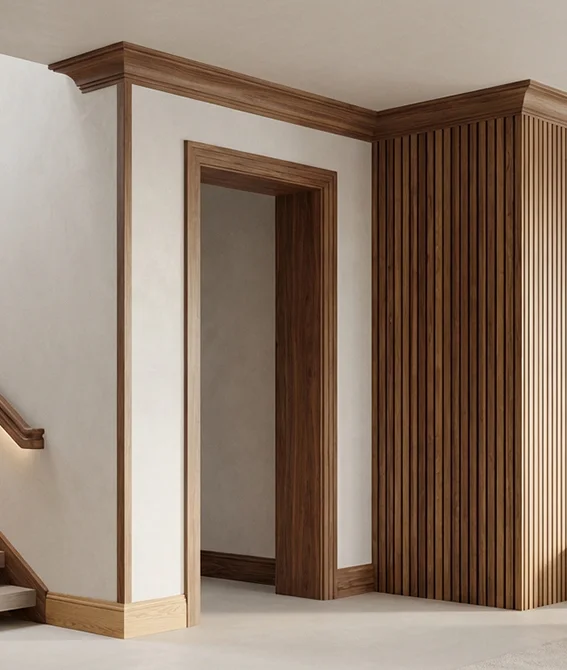
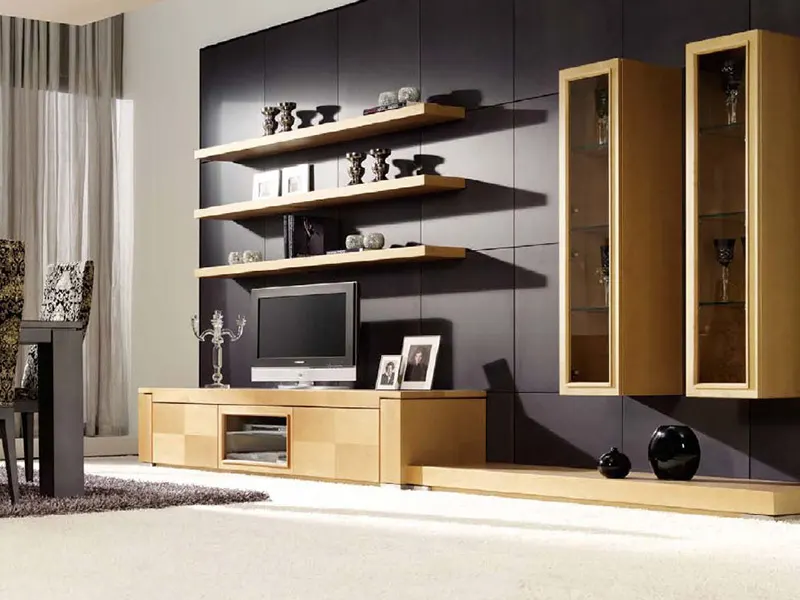
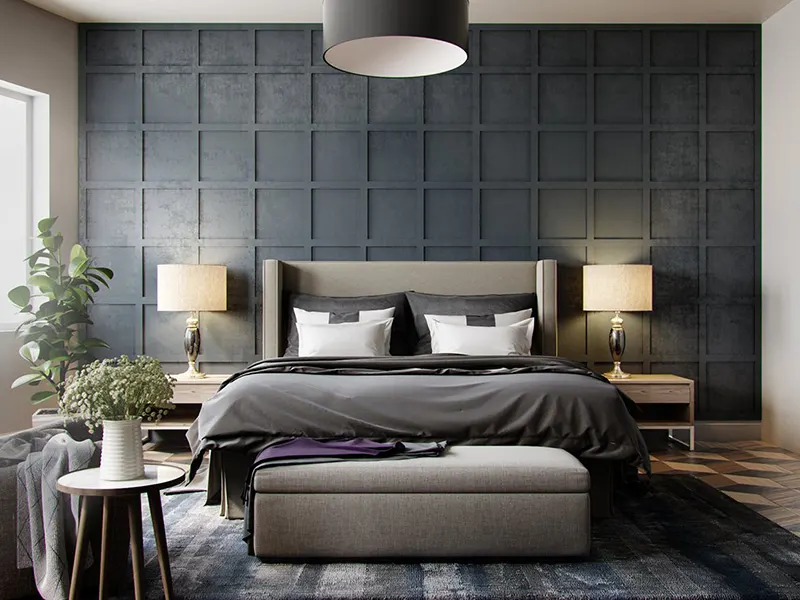
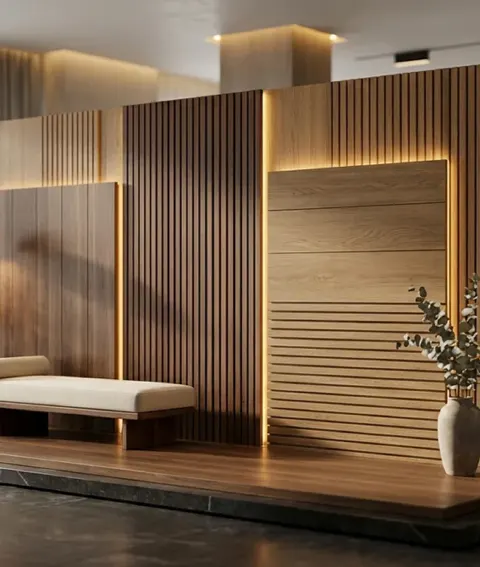
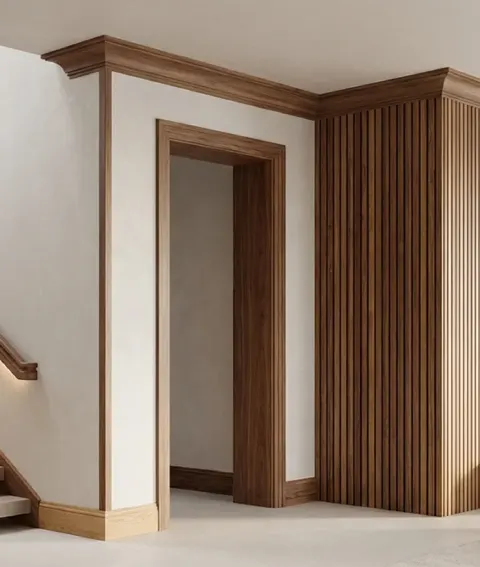
- Uses: furniture carcasses and doors, kitchen cabinets, decorative wall panels, doors and skirting.
- Good to know: standard MDF is sensitive to moisture. Moisture-resistant (MR) MDF is recommended for bathrooms and kitchens.
What is plywood?
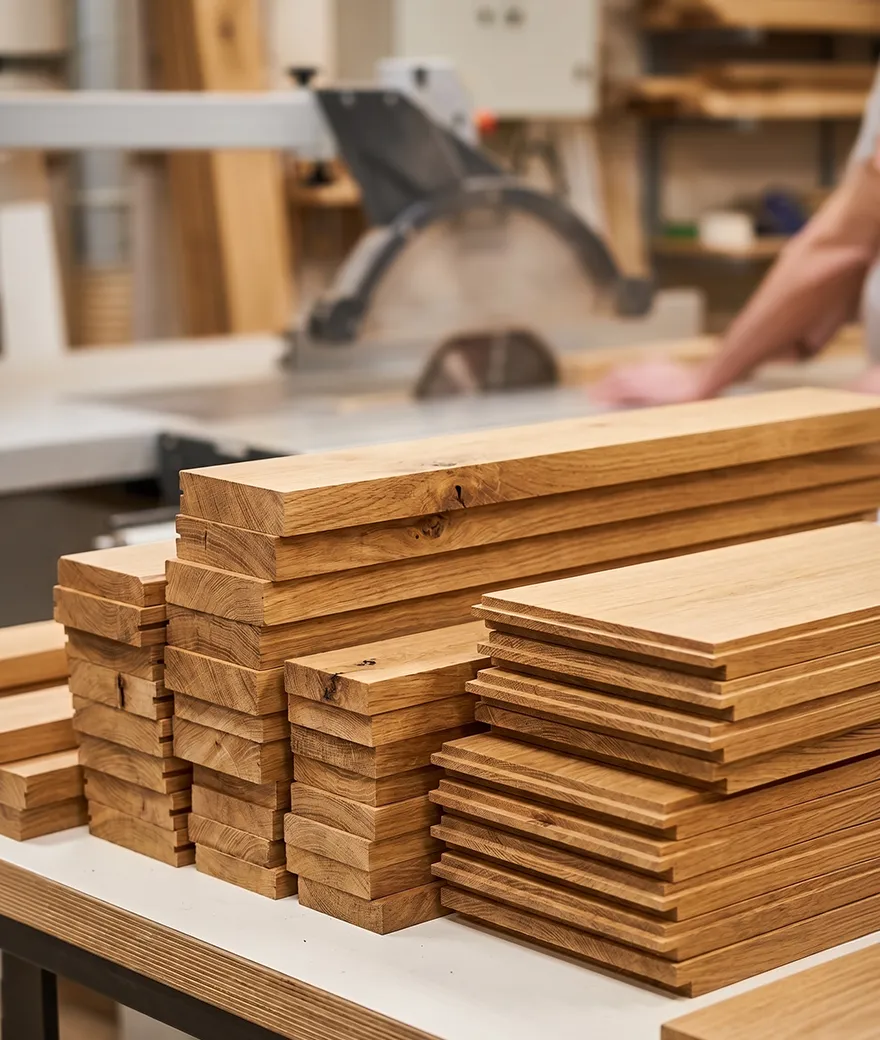
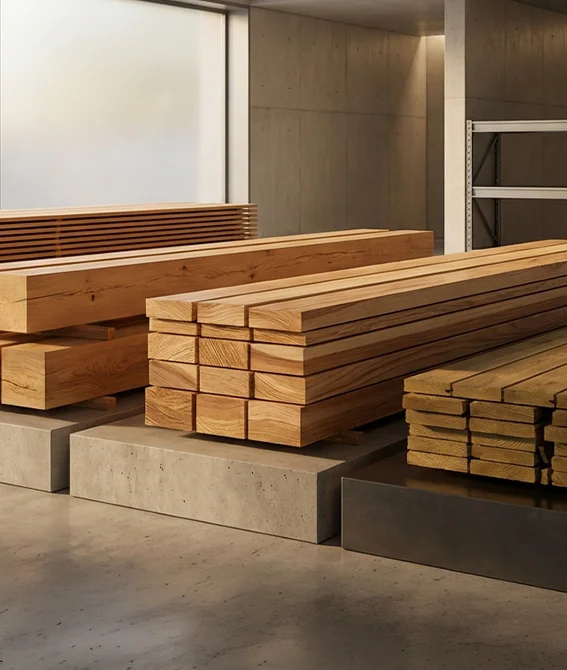
Plywood is made by gluing thin wood veneers on top of each other with their grain at right angles. This cross-layered structure gives the board high strength for its weight and good dimensional stability.
- Strengths: high strength, good screw holding, resistance to bending and warping, natural wood surface.
- Uses: furniture and interiors, vehicle floors, formwork (film-faced plywood), shelving and structural applications.
- Good to know: the glue class determines where a board can be used. For humid and outdoor conditions, choose plywood with a glue class suited to them.
In short: which board for which job?
- Painted or lacquered furniture, decorative panels: MDF
- Furniture, shelving and vehicle floors that need strength and a natural wood look: plywood
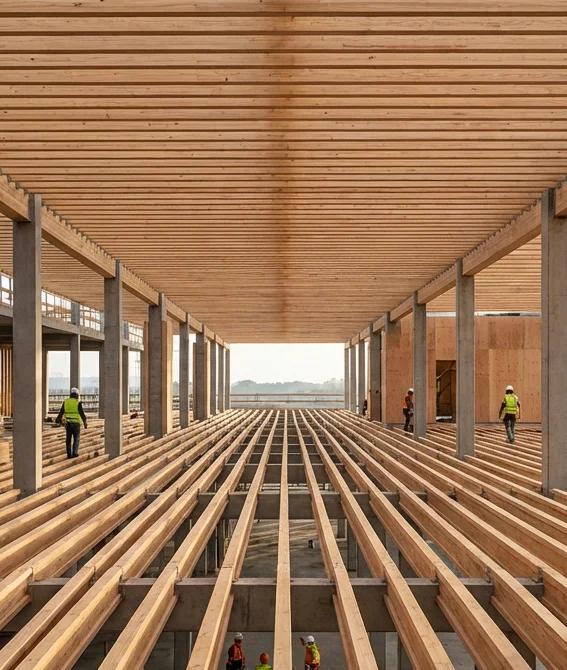
- Roofs, walls, subfloors and economical construction: OSB
Questions to ask when choosing
The load the board will carry, the humidity of the environment, whether the surface will be painted and your budget are the main criteria for the right choice. Combining different boards in one project often gives the most efficient result: for example, plywood for a cabinet carcass and lacquered MDF for its doors.
Browse our OSB and plywood products, and contact us for the right board and sizes for your project.