





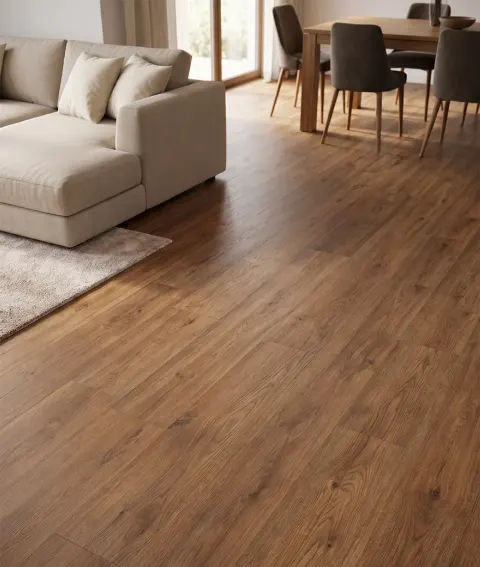

The floor is the most used and most visible surface in any space. With its wood look, reasonable cost, easy installation and simple care, laminate flooring is used everywhere from homes to offices. But choosing the right laminate takes more than picking a colour. Here are six things to check before you buy.
1. Abrasion class (AC) and use class
The surface durability of laminate flooring is rated from AC1 to AC5; the higher the number, the more wear-resistant the surface. AC3 may be enough for low-traffic rooms such as bedrooms, while busy areas such as living rooms, hallways and entrances call for AC4, and commercial spaces such as shops and offices for AC4–AC5. The values 21–23 (residential) and 31–34 (commercial) on product labels also show the intensity of use a floor is designed for.
2. Thickness
Laminate flooring is usually made between 7 and 12 mm thick. Thicker boards feel more solid underfoot, reduce footstep noise and tolerate small irregularities in the subfloor better. In large, busy areas, 8 mm and above gives a more comfortable result.
3. Moisture and water resistance
Standard laminate is durable thanks to its high-density fibreboard (HDF) core, but it should not be in contact with water for long. In kitchens and entrances where splashes are likely, choose products specified as water-resistant, and always check the manufacturer's recommendation for constantly wet areas such as bathrooms.
4. Click locking system
Most laminate floors today are installed glue-free with click-locking joints. A good locking system keeps the boards tight, stops joints from opening over time and makes installation faster.
5. Subfloor preparation and underlay
Even the best floor cannot perform on a poorly prepared base. Before installation the subfloor must be clean, dry and level. Using a moisture barrier on concrete, adding a suitable underlay for sound and impact insulation and leaving an expansion gap along the walls are the foundations of a long-lasting floor.
6. Colour and texture
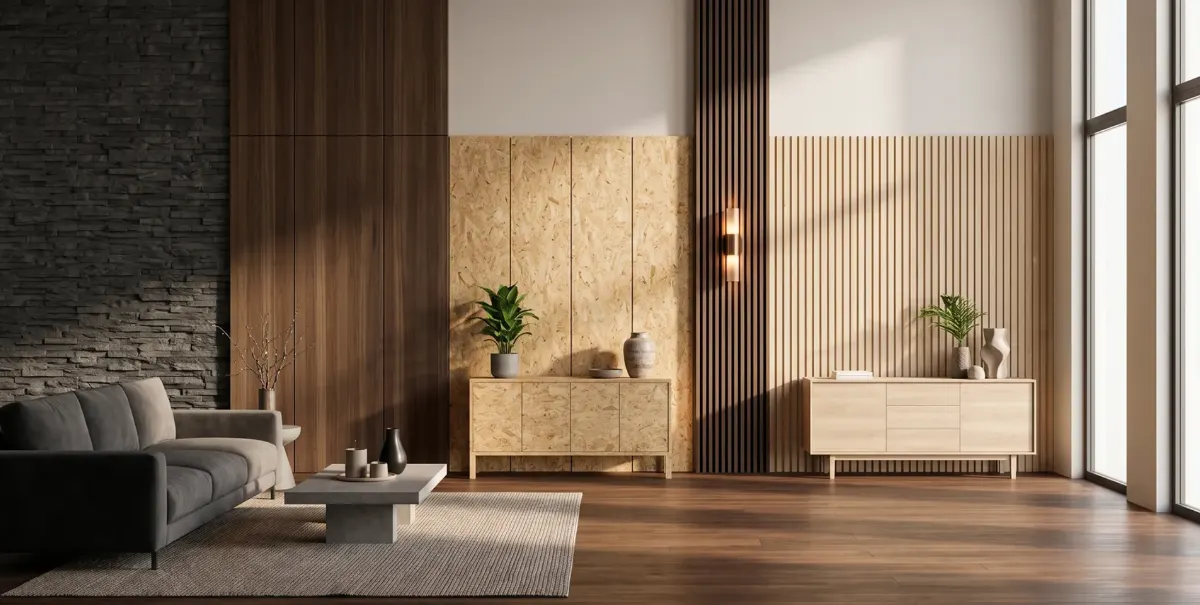
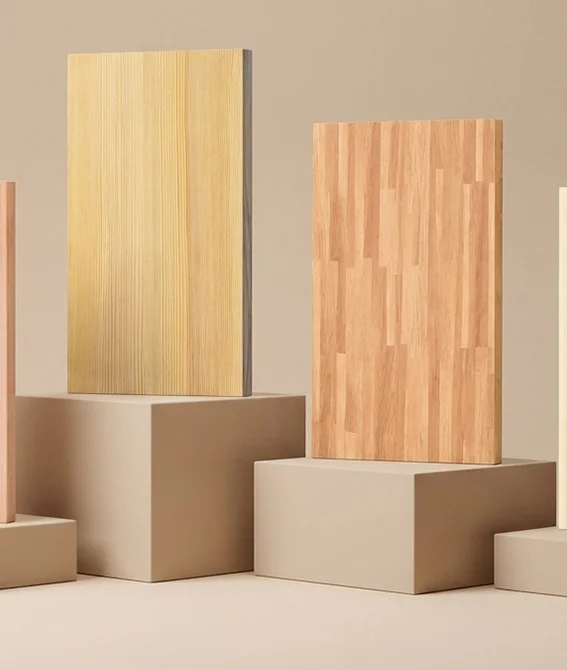
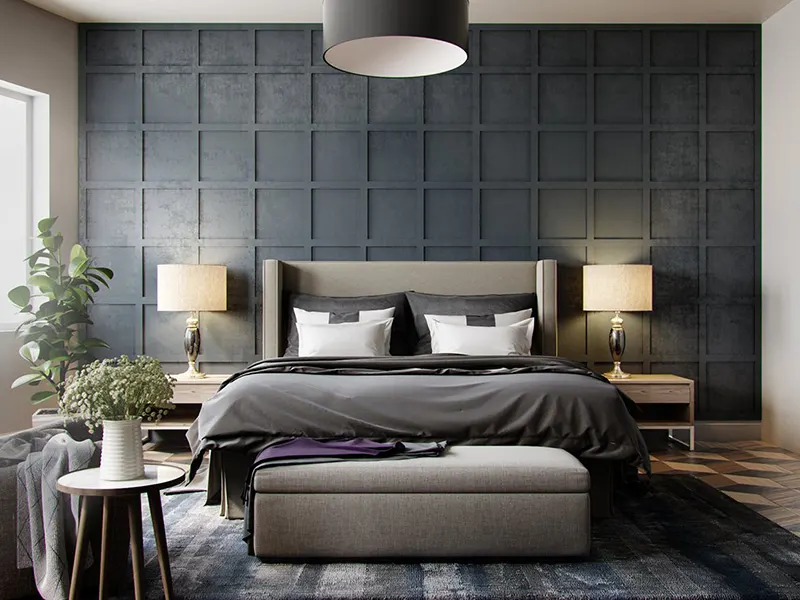
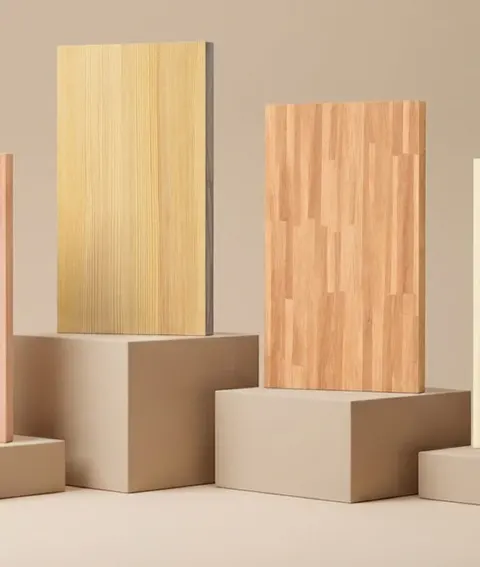
Light tones make a room feel brighter and larger, while dark tones create a warm, sophisticated atmosphere. Textured surfaces that follow the natural wood grain look more realistic and hide scratches and marks better. Choosing the colour together with your furniture and wall tones gives the best result.
Caring for laminate flooring
- Sweep regularly or wipe with a well-wrung damp cloth; avoid using too much water.
- Put felt pads under furniture legs.
- Place mats at entrances to reduce sand and grit.
- Wipe up spills straight away.
Explore options in different colours and textures on our laminate flooring products page, and ask our team for help choosing the right floor for your space.